Four useful New Year priorities are a balanced diet, a safe plan for drinking less, regular movement and habits you can maintain. Start with manageable changes rather than an all-or-nothing reset. If you may be dependent on alcohol, get medical advice before attempting Dry January.
A 2019 Danish observational study found higher average LDL cholesterol among people examined in December–January than May–June. It compared groups across seasons; it does not show that everyone’s cholesterol rises by 20% or that alcohol alone caused the difference.
The quotation above describes the seasonal study. The observational findings cannot establish how much of the difference was caused by alcohol.
Alcohol and food choices can both be relevant to health. If you are concerned about cholesterol or other symptoms, ask a clinician about assessment rather than using seasonal averages to judge your own results.
It's not too late to start our New Year's Resolutions now. Cutting down on our alcohol consumption has many other proven benefits on top of reducing our cholesterol levels.
Benefits of Reducing Alcohol
- Better sleep quality and more restorative rest
- Increased energy levels throughout the day
- Support with weight management; weight loss is not guaranteed
- Fewer injuries and improved coordination
- Potential longer-term health benefits, assessed individually
- Fewer alcohol-related symptoms such as headaches and heartburn
- Less fatty build-up around the liver
- More opportunity to establish regular meals and healthier routines
Here are Sinclair Method UK's 4 New Year's Resolutions to help keep us healthy and cut back on the booze:
Lose Weight – And Keep It Off!
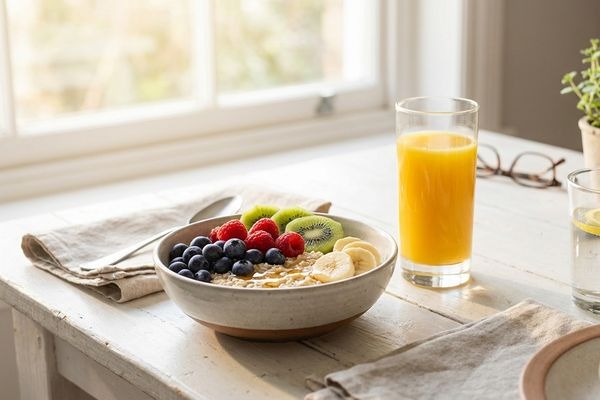
Losing just 5% of our body weight can help lower the risk of chronic health conditions, such as heart disease, type 2 diabetes and high blood pressure. There's even a free NHS Weight Loss Plan App available to help us start healthier eating habits, be more active and lose weight.
Reducing our alcohol intake to the recommended levels will help significantly. Alcohol leads to weight gain because it's high in calories, stops your body from burning fat and often leads to poor food choices and increased hunger, particularly causing belly fat accumulation.
Join the Dry January Movement

Dry January is a popular challenge, encouraging people to abstain from alcohol for the entire month, to reset their relationship with drinking and experience health benefits like more energy, better sleep, weight loss, and improved mood.
Of course, while Dry January is a good start, it is only a start. Even if people can stay the course for four weeks, they need a long-term plan for controlling their consumption permanently.
Get Off the Sofa and Exercise
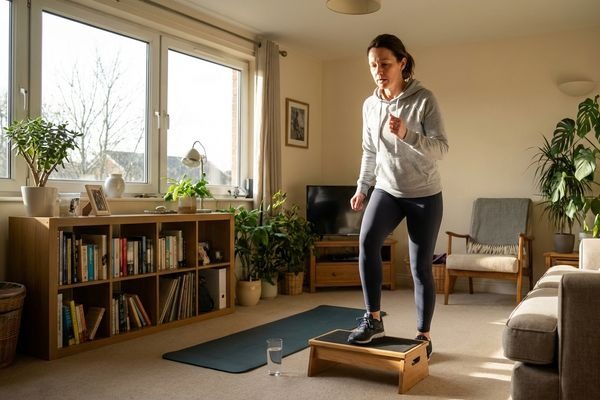
Let's be practical—most people don't have the time or routine to visit the gym daily. Fortunately, there are achievable resolutions that focus on reducing sedentary habits and increasing movement.
Choose movement that fits your health and circumstances: walking, taking the stairs when appropriate or a manageable home routine. Build up gradually rather than relying on a promised result within a fixed number of weeks.
Movement can still be worthwhile while you work on drinking less. A setback in one habit does not cancel progress in another; choose an achievable next step.
Stick At It
Keeping on track can be the hardest part of all. We should set ourselves SMART (Specific, Measurable, Attainable, Relevant, Time-bound) daily goals, starting small with daily habits like drinking water or walking. A wearable fitness tracker can also help keep us motivated.
Outcomes vary between people. Follow-on patient reports can describe experiences, but they are not a guarantee of treatment success. Read SMUK’s patient-reported results with their limitations.
Within The Sinclair Method, prescribed naltrexone is used before drinking under a clinician’s instructions. Read our beginner’s guide for the approach and its limits.

About The Sinclair Method UK
Sinclair Method UK offers a 12-week or five-month programme with senior coach support and clinical assessment by a UK-registered doctor. Prescribing depends on suitability; medication costs are separate. See programme inclusions and prices.
Further information
The NHS advice on cutting down alcohol covers practical changes and possible benefits. For dependence and withdrawal, read the NHS alcohol-use disorder guidance. These are general information sources, not an assessment of your circumstances.
Related reading

Editorial update: 27 October 2026. General information; individual treatment decisions belong with your clinician.