



Somewhere between one more weekday drink and waking up feeling drained, many people ask the same question: how can I reduce my alcohol consumption? Asking that question is a serious first step, and it matters.
What the Numbers Actually Say
NHS guidance recommends no more than 14 units of alcohol per week, spread across at least three days. That threshold is often crossed quickly without realising it, especially when drinks are poured at home or concentrated into weekends.
Over time, regular heavy drinking increases risk of liver disease, raised blood pressure, certain cancers, anxiety, low mood and poor sleep quality. It can also strain work and relationships in ways that build gradually.
Why "Just Drink Less" Often Fails
Alcohol is not only a habit. It changes how the brain handles reward and stress. Cravings are not weakness; they are learned responses. That is why many people can cut down briefly, then struggle again after stress or social triggers.
Intention is important, but method matters. If your approach does not match how cravings work, progress can be difficult to sustain.
Short-Term Steps That Can Help
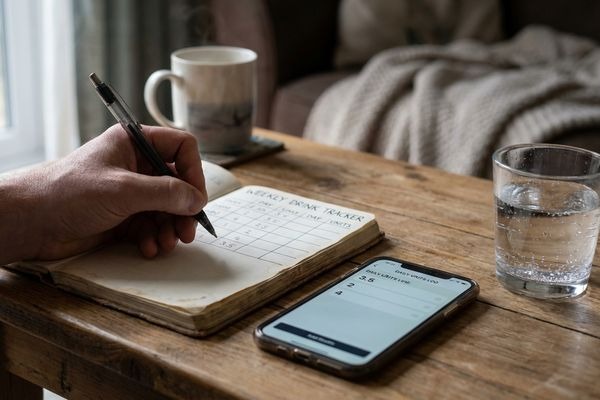
Tracking what you drink for a week can reveal patterns clearly. Specific goals also work better than vague ones. For example, "No alcohol on weeknights" is measurable, while "drink less" is not.
Practical actions to start now
- Record drinks daily to identify triggers and routines
- Set clear rules for when you will and will not drink
- Use replacement activities during usual drinking windows
- Prioritise sleep, movement and regular meals
- Get support early if cravings keep overriding plans
Control Alcohol Cravings at a Deeper Level
If you have tried to cut down before and hit the same cycle, that is useful information. It may mean the strategy needs to address the neurological side of cravings, not only behaviour on the surface.
The Sinclair Method uses prescription medication before drinking to reduce alcohol reward gradually. Over time, many people find cravings weaken and drinking falls because they want less, not because they are forcing constant willpower.
Why Proper Support Matters
You may see medication discussed online, but accessing it without correct protocol, goal planning and clinical guidance often leads to weaker outcomes. Structure is part of what makes the method effective.

At Sinclair Method UK, medication is prescribed within a full supported programme that includes assessment, practical coaching and ongoing guidance.
Conclusion
There is plenty of generic advice about cutting down drinking, but many people need a more structured route. If this feels familiar, The Sinclair Method offers a clear, evidence-based next step for long-term change.
About The Sinclair Method UK
Sinclair Method UK Ltd offers personalised treatment that includes one-to-one support from a private GP. Each patient is assigned a dedicated coach for 3 to 6 months to guide them through the medication programme. Consultations are conducted via phone or video call, and prescriptions are provided for the appropriate medication. All services are completely private and strictly confidential.
Ready to reduce your alcohol intake with real support?
Speak with our team for clear, confidential guidance on whether The Sinclair Method is right for you.
Start Your Journey Start Your Journey