Drinking less may improve sleep, energy, mood and weight management, but changes and timescales vary. Physical symptoms are not a reliable measure of how much your health has recovered. If you may be dependent on alcohol, get medical advice before reducing suddenly.
This is a look at what those physical changes are, and how getting proper support behind you makes the whole process far safer and more likely to stick.

What You Notice When You Drink Less
Sleep and daytime energy may improve when you drink less, but early changes are not the same for everyone. Withdrawal can disrupt sleep and may need medical support. Persistent symptoms deserve individual assessment.
Some people notice better-looking skin and easier weight management. There is no fixed fortnightly timetable, and diet, sleep, other health conditions and the amount previously consumed all matter.
Digestion often settles as alcohol intake drops. Alcohol irritates the gut lining and can disrupt the microbiome, so bloating, reflux and general discomfort may improve fairly quickly. Mood and energy can also lift, because alcohol is a depressant and regular drinking can flatten both over time.
Physical signs that alcohol reduction may be helping
- Sleep becomes deeper and more restorative
- Skin looks clearer, less puffy and less inflamed
- Energy and mood feel steadier during the day
- Digestion, bloating and reflux begin to improve
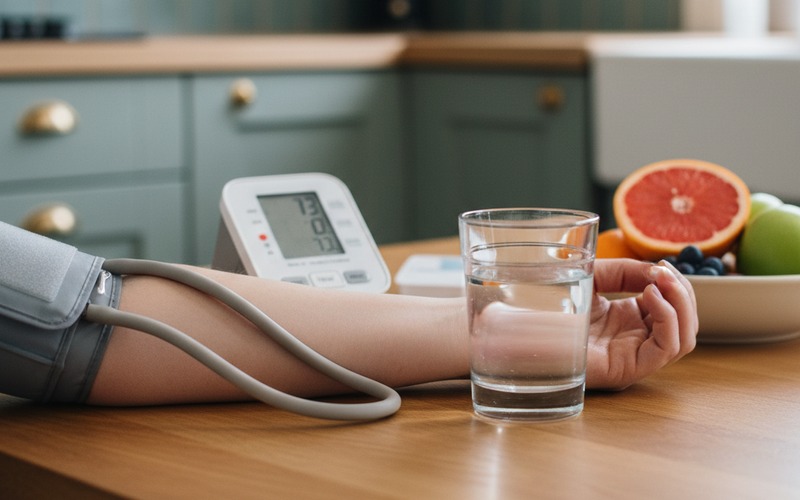
- Blood pressure may start to move in the right direction
Knowing How to Safely Reduce Alcohol Intake
Knowing how to safely reduce alcohol intake matters, particularly if drinking has been heavy or long-term. Going cold turkey without medical guidance is not always the right move. For some people, it can trigger withdrawal symptoms that are uncomfortable at best and dangerous at worst.
The good news is that there are medically validated approaches that work with your physiology rather than against it. One of the most well-researched is TSM for alcohol, also known as The Sinclair Method.
How TSM Alcohol Reduction Works
TSM alcohol reduction works differently from abstinence-based approaches. Rather than requiring you to stop drinking overnight, the method uses a prescription medication taken before drinking. Over time, this gradually reduces the neurological reward response linked to alcohol.
Treatment can help some people, but outcomes differ. Discuss the evidence, limitations and alternatives during a clinical assessment rather than assuming a particular approach will work for you.
Where The Sinclair Method UK Comes In
Sinclair Method UK provides private clinical assessment and coaching support. Our heritage page explains the service’s background and connection with The Sinclair Method.
The medication used in The Sinclair Method is prescription-only. While it can be found through different routes, we strongly encourage anyone interested to come through a proper programme rather than sourcing it independently. The medication is only one part of what makes this method work. Clinical oversight, timing, guidance and support all matter.
When Your Body Starts Asking for Change
If your body has been giving you signs that something needs to change, you do not need to wait until things feel worse. A structured programme gives you a safer, clearer way to reduce alcohol intake at your own pace.
Further information
The NHS advice on cutting down alcohol covers practical changes and possible benefits. For dependence and withdrawal, read the NHS alcohol-use disorder guidance. These are general information sources, not an assessment of your circumstances.
Related reading

Editorial update: 27 October 2026. General information; individual treatment decisions belong with your clinician.