The Science Behind The Sinclair Method
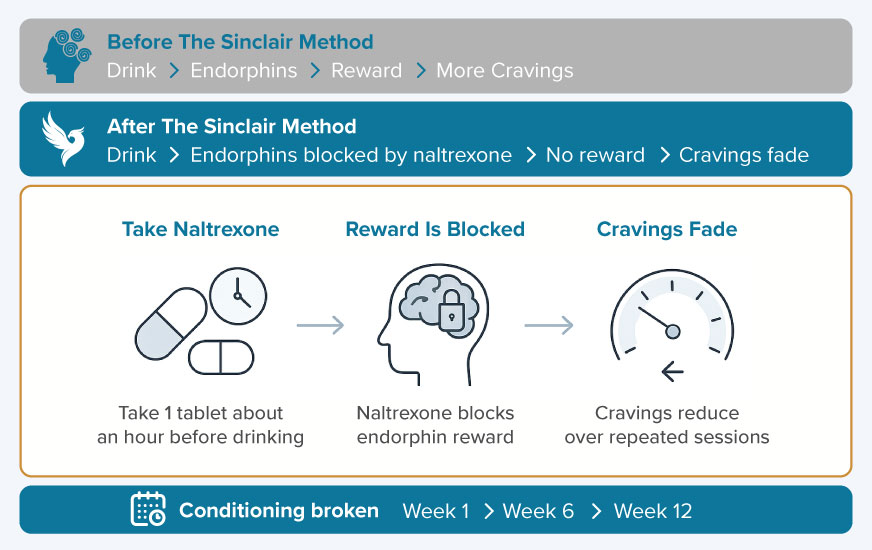
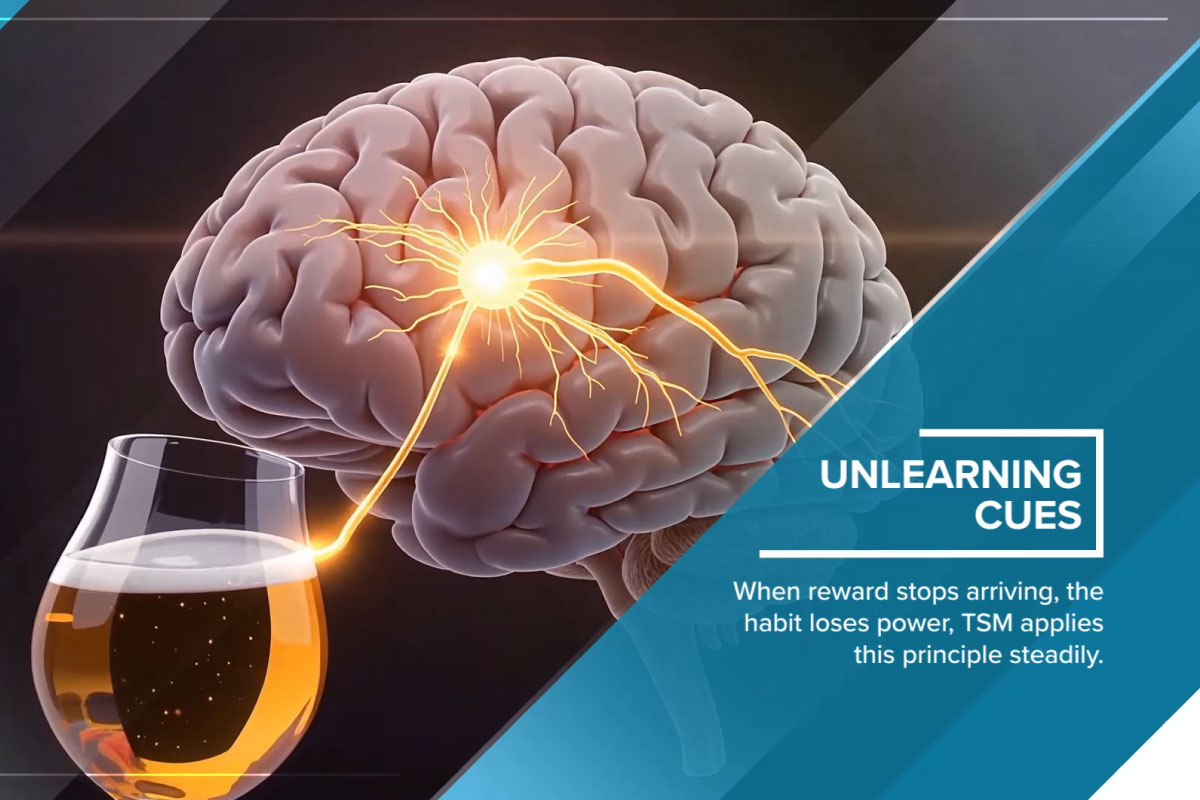
When you drink alcohol, your brain releases endorphins that activate opioid receptors. This then creates a rewarding effect, which over time conditions the brain to associate alcohol with pleasure.The more this reward pathway is reinforced through drinking, the stronger the cravings become and the harder it is to quit or cut back.
When you take naltrexone before drinking, it blocks the endorphin reward.Because the brain no longer receives the same reinforcement, the learned behaviour gradually weakens.
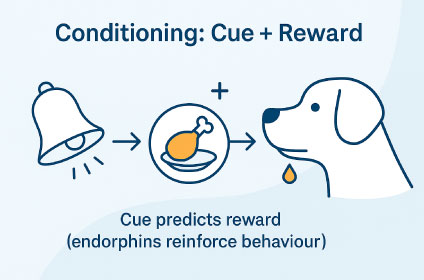
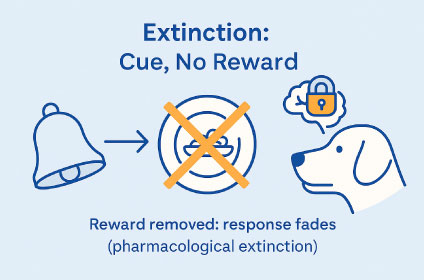
This follows the same learning principle shown in Pavlov’s experiments: when a cue stops producing a reward, the conditioned response fades.
On The Sinclair Method:
- The cue = drinking alcohol
- The missing reward = the endorphin release
- The fading response = craving and compulsive drinking
Over time, this process is called pharmacological extinction — the brain “unlearns” the addictive pathway.
The Alcohol Deprivation Effect
Why cravings can get louder when you try to stop
If you take a break from alcohol and your cravings get stronger, you are not weak. Your brain is doing something common. It has a name. The Alcohol Deprivation Effect.
What you might notice:
- You stop drinking for a while
- You expect it to get easier
- But urges can feel bigger the longer you go without alcohol
- Alcohol can take up more space in your head
Why it happens (simple)
When you drink often, your brain learns: alcohol = reward.
When you stop suddenly, your brain feels deprived of a reward it still expects.
And the longer you go without alcohol, your brain may still be wired the old way, so it keeps sending strong “wanting” signals.
To change that wiring, the brain has to learn a new lesson: alcohol does not deliver the same reward anymore. That unlearning is called extinction.
Pharmacological extinction is when the reward is blocked during drinking sessions, so over time the brain can weaken the link between alcohol and craving.
The key takeaway
Taking alcohol away can make the brain want it more for a while.
The brain needs time and the right method to re-learn
What helps
A plan that:
- Gives you clear steps each week
- Helps you handle cravings when they spike
- Supports consistency without willpower battles
How we support you
Our 12-week guided programme gives you a simple roadmap and expert support, so you know what to do next and you are not guessing.
What To Expect On The Sinclair Method

Weeks 1–2
You learn the routine: take naltrexone before
drinking, track units, notice first shifts in
reward after drinks.

Weeks 3–6
Cravings begin to reduce. Many
report fewer units, more control and less urge to continue
once they start.

Weeks 7–12+
Reinforcement weakened, drinking declines
further, some choose abstinence, many
maintain moderation.
The Pavlov Analogy
In Pavlov’s experiments, when the bell no longer predicted food, the dogs
stopped salivating. On TSM, when alcohol no longer delivers its endorphin
reward, the brain’s conditioned response — craving — fades
in the same way.
How The Sinclair Method Works
The Sinclair Method (TSM) uses a prescribed dose of
naltrexone taken about an hour before you drink. Naltrexone
temporarily blocks the brain’s opioid receptors, so alcohol
produces little to no endorphin “reward.” Without that chemical reward, the
brain starts to unlearn the link between alcohol and
pleasure. This learning process is called pharmacological
extinction.
Why The Sinclair Method Is Different

TSM
Evidence‑based alcohol
reduction. No forced abstinence. Blocks reward,
so cravings reduce and control returns.

Abstinence‑only
Stop immediately. Higher relapse risk for many.
Progress depends on willpower without medical blocking.

Willpower‑only
No medical support. Often leads to cycles of
restriction, lapse, guilt, repeat.
Information on this page is educational and not a substitute for medical
advice. Always follow your clinician’s guidance.





 The Cure For
Alcoholism
The Cure For
Alcoholism One Little Pill (Documentary)






 MEDICALLY
PROVEN RESULTS
MEDICALLY
PROVEN RESULTS