
Naltrexone is a prescription medicine that blocks opioid receptors and can help reduce alcohol reward and cravings for some people. It is used alongside support following a clinical assessment. This guide explains how it works, its limitations and what to discuss before treatment.
Naltrexone: What Is It and How Does It Work?
Naltrexone blocks opioid receptors involved in alcohol’s rewarding effects. It may reduce the urge to continue drinking, although response varies. Published naltrexone product information explains the medicine’s uses, precautions and side effects. Follow the leaflet supplied with your own prescription.
Unlike older deterrent medications, naltrexone does not aim to make you unwell when alcohol is consumed. Instead, it reduces cravings and weakens the reinforcing effect of alcohol over time.
Naltrexone Dosage for Alcohol
Within The Sinclair Method, naltrexone is used before drinking according to the prescriber’s instructions. This targeted approach differs from the daily regimens described in some clinical guidance and product information. Your clinician should explain the proposed dose, timing and any off-label use; do not change your prescription based on an article.
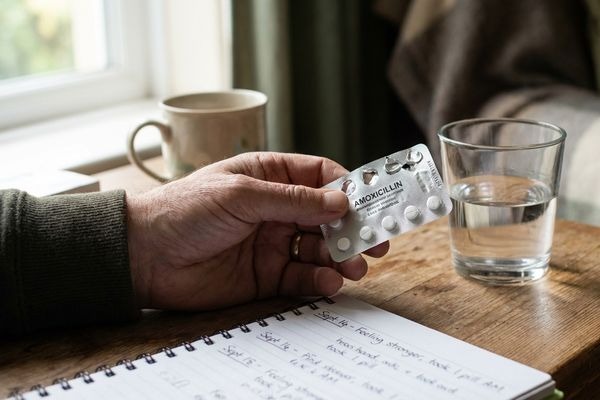
At Sinclair Method UK, dosage, timing and suitability are established through a confidential clinical assessment. Ongoing supervision helps ensure the medication is used safely and correctly as part of a structured programme.
Benefits of Naltrexone Therapy
When prescribed and monitored appropriately, naltrexone can support meaningful behaviour change and make alcohol reduction more manageable.
Potential benefits
- Helps reduce alcohol cravings over time
- Supports gradual reduction in alcohol intake
- May begin without full detox in selected cases
- Non-addictive and not a controlled drug in the UK
- Encourages long-term change through extinction
The Good and The Bad of Naltrexone Treatment
Understanding the pros and cons of naltrexone treatment is essential before starting.
Pros
Naltrexone can be combined with psychological support as part of an assessed treatment plan. It is one option to discuss alongside other treatments; the appropriate approach depends on your health and goals.
Potential limitations
Side effects may include nausea, headache, fatigue or sleep disruption, though these are often mild and temporary. Naltrexone does not prevent intoxication, and it is not suitable for people currently using opioids. Consistent, protocol-based use is important for best results.
Naltrexone: Can You Find It Online?
Naltrexone is prescription-only in the UK and should be supplied after clinical assessment. If you are comparing online services, check who assesses suitability, who prescribes, which pharmacy dispenses and how follow-up is arranged. See our naltrexone treatment UK information and guide to comparing private support programmes.
Independent sourcing without proper protocol guidance can reduce treatment effectiveness and increase risk. Structured care helps ensure the right timing, dose and adherence throughout extinction.

Conclusion
Naltrexone has changed how alcohol dependence can be treated, offering a practical and compassionate route to lasting change. If you want a science-based approach that works with your brain rather than against it, The Sinclair Method may be an appropriate next step to discuss with a qualified clinician.
About The Sinclair Method UK
Sinclair Method UK offers a 12-week or five-month programme with senior coach support and clinical assessment by a UK-registered doctor. Prescribing depends on suitability; medication costs are separate. See programme inclusions and prices.
Sources and treatment context
NICE guidance on alcohol dependence discusses naltrexone alongside psychological treatment. It is not an endorsement of SMUK or a universal instruction for targeted dosing. Adepend product information describes a particular naltrexone product; it does not identify the brand supplied by SMUK’s pharmacy. Your clinician and your own medicine leaflet take precedence.
Related reading

Editorial update: 27 October 2026. General information; individual treatment decisions belong with your clinician.