



Stopping drinking is rarely just about willpower. Alcohol changes the brain systems linked to reward, habit and stress relief, so cravings can feel overwhelming even when someone wants to cut back. Modern alcoholism treatment focuses on reducing cravings rather than blaming the person experiencing them.
Why Cravings Make Recovery Difficult
Cravings are not a sign of weakness. They are learned responses in the brain. Over time, alcohol trains the brain to expect relief or reward in certain situations, which is why urges can feel intense when alcohol is removed.
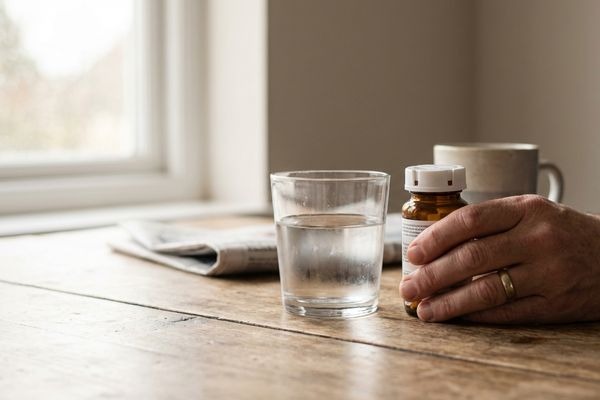
When drinking stops, the brain can react with strong urges to resume the behaviour. This is often the point where medical support is helpful, because counselling alone cannot always calm a biological reaction.
How Anti-Craving Medication Helps
Anti-craving medication changes how alcohol interacts with the brain. Instead of reinforcing reward, drinking becomes less rewarding. Over time, this weakens the habit and makes change feel more manageable.
One commonly used medication is naltrexone. It blocks opioid receptors linked to the pleasurable effects of alcohol. When the reward is reduced, the brain starts to lose interest in drinking, which can decrease binge episodes, emotional dependence and compulsive urges.
How medication supports change
- Reduces the rewarding effect of alcohol
- Softens the intensity of cravings over time
- Supports gradual, realistic change rather than sudden abstinence
- Creates space for therapy and healthier routines
- Helps rebuild confidence through consistency
A Practical Approach for Real Life
Medication-based approaches are designed for real-world living. People can still attend social events, manage stress and gradually regain control without the pressure of immediate abstinence.
Proper medical oversight is essential for safety and results. Dosage, timing and consistency all matter. Some people choose to access naltrexone through regulated UK providers as part of a structured treatment plan, always under professional guidance.
Medication and Emotional Healing
Medication is not a cure on its own. It works best alongside education, self understanding and emotional support. As cravings reduce, many people can think more clearly, make better choices and rebuild confidence.

A Kinder View of Recovery
A compassionate approach sees relapse not as failure, but as a learned behaviour that can be unlearned. This removes shame and replaces it with knowledge and progress.
Conclusion
Anti-craving medication has changed how alcoholism is treated, making recovery more realistic, humane and sustainable. If you are tired of fighting cravings and want a science-based approach, The Sinclair Method offers an effective path forward that works with your brain, not against it.
About The Sinclair Method UK
Sinclair Method UK Ltd offers personalised treatment that includes one-to-one support from a private GP. Each patient is assigned a dedicated coach for 3 to 6 months to guide them through the medication programme. Consultations are conducted via phone or video call, and prescriptions are provided for the appropriate medication. All services are completely private and strictly confidential.
Ready to explore a science-based approach?
Speak with our team about whether The Sinclair Method and anti-craving medication could be right for you.
Start Your Journey Start Your Journey